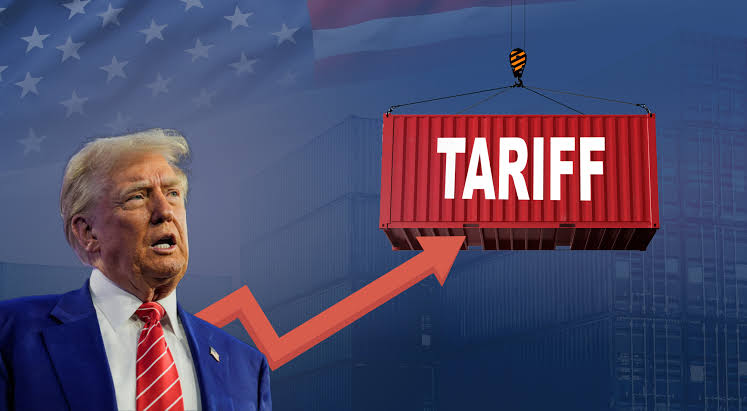
Why Are Trump’s 30% Tariffs on Mexico and EU Happening?
The decision to impose Trump’s 30% tariffs on Mexico and EU comes amid claims of “unfair trade practices” and national security concerns. Trump has accused both trading partners of benefiting excessively from U.S. markets while failing to reciprocate in trade openness and enforcement.
Read about the recent Trump Tariff on US Alliance
He specifically cited:
-
A growing U.S. trade deficit with both Mexico and the European Union.
-
Mexico’s alleged inability to control fentanyl and cartel flows that he claims are worsening the U.S. opioid crisis.
-
Ongoing disagreements over agricultural subsidies, metal dumping, and automotive parts compliance under post-NAFTA deals like the USMCA.
This policy is designed to pressure both allies into renegotiating trade rules on Washington’s terms—though the backlash has been swift.
Key Stats and Country-wise Impacts of the New Tariffs
The implications of Trump’s 30% tariffs on Mexico and EU are vast and measurable:
-
U.S. trade deficit: $236 billion with the EU and $172 billion with Mexico.
-
Total trade volumes: Over $840 billion with Mexico and $600 billion with the European Union.
-
Consumer impact: Estimated average American household cost increase of $2,300–$2,500 annually due to higher product prices.
-
Steel and aluminum tariff rate: Already doubled to 50% earlier this year.
-
Supply chain impact: Industries like housing, automobiles, and electronics will see cost pressures rise sharply.
-
Mexico’s exports affected: Particularly cars, processed foods, metals, and consumer electronics.
-
European Union exports hit: Including pharmaceuticals, auto parts, luxury goods, and green tech components.
These figures highlight how Trump’s 30% tariffs on Mexico and EU are not just symbolic—they will have real economic consequences.
Mexico and EU Respond to Trump’s 30% Tariffs
Mexico’s Reaction
Mexican officials have condemned the tariffs as a violation of trade agreements and are considering reciprocal actions. Their economy ministry is currently assessing exemptions and countermeasures, particularly to protect sectors like automotive and steel that heavily rely on U.S. exports. Mexico’s President has called for urgent diplomatic talks and warned that continued pressure from the U.S. could destabilize bilateral relations.
EU’s Stand
The European Union has responded sharply, calling Trump’s 30% tariffs “hostile and unjustified.” Top EU leaders, including Ursula von der Leyen and Emmanuel Macron, are reportedly preparing a €95 billion counter-tariff package targeting American-made goods such as tech components, soybeans, and industrial equipment. Brussels also warned that this action could derail any progress toward future free-trade discussions with the U.S.
Institutional Reactions and Expert Commentary
Economic institutions and think tanks are warning of the ripple effects:
-
Yale’s Budget Lab revealed that U.S. tariff levels are now at their highest in nearly a century, predicting lower real wages and weaker household purchasing power.
-
Boston Consulting Group (BCG) estimated that new metal-related tariffs alone will raise domestic costs by over $50 billion per year, impacting manufacturing and infrastructure projects.
-
Trade economists warn that these blanket tariffs risk further supply-chain breakdowns, especially in sectors already stressed by global inflation and raw material shortages.
-
U.S. Chamber of Commerce has voiced concern, urging for de-escalation to avoid a full-blown trade war that could disrupt jobs and investment on both sides of the Atlantic and the border.
Pros and Cons of Trump’s 30% Tariffs on Mexico and EU
Advantages:
-
Boosts U.S.-based metal and manufacturing industries by reducing import competition.
-
Reinforces Trump’s “America First” economic strategy, appealing to domestic labor and production sectors.
-
Provides leverage in future trade negotiations with both regions.
Disadvantages:
-
Immediate inflationary pressure on consumer goods and raw materials.
-
Potential retaliatory tariffs from Mexico and the EU could hurt American exporters.
-
Undermines long-term trade relationships and may isolate the U.S. in global trade alliances.
-
Legal uncertainties may delay implementation or open floodgates for WTO complaints.
Market and Business Reactions
Stock markets saw mixed responses following Trump’s announcement. Shares in domestic steel and aluminum producers surged, while manufacturing and import-heavy sectors like automotive, construction, and electronics showed signs of stress. Small businesses that rely on imported goods from Mexico and Europe are particularly vulnerable, with many bracing for inventory shortages or price hikes. Analysts expect this move to cause volatility across industries, especially if the European Union and Mexico follow through with retaliatory tariffs.
Conclusion: What Trump’s 30% Tariffs on Mexico and EU Mean for the Future
Trump’s 30% tariffs on Mexico and EU mark a bold and controversial return to aggressive protectionism. While they may offer some short-term wins for U.S. manufacturers and trade negotiators, the broader impact will likely be more complex. Higher prices for consumers, global trade retaliation, and increased uncertainty in supply chains are all part of the equation. Whether this strategy leads to stronger trade deals or more fragmented global commerce remains to be seen. For now, businesses and governments worldwide are preparing for a turbulent ride ahead.
Disclaimer: This article is for informational purposes only and does not constitute financial, trade, or investment advice.
1 thought on “Trump’s 30% Tariffs on Mexico and EU Shake Global Trade Foundations”