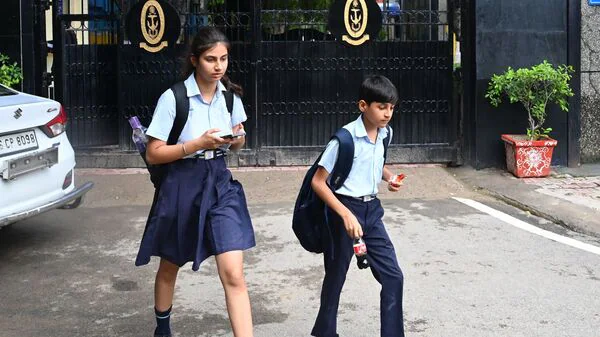
Delhi Schools Bomb Threat Sparks Panic on 18 July
The Delhi schools bomb threat on 18 July sent shockwaves across the capital as over 20 educational institutions reported receiving alarming emails about planted explosives. As classrooms filled with the sound of routine lectures, sudden panic erupted with alerts prompting evacuations, police responses, and a flurry of anxious parents rushing to school gates. This developing situation, while under investigation, has once again raised serious concerns about campus safety and the growing menace of false threats that paralyze the education system.
Series of Threat Emails Disrupts School Operations
The morning of 18 July began with chaos for multiple Delhi schools as bomb threat emails were received almost simultaneously. Institutions like Richmond Global School in Paschim Vihar and Abhinav Public School in Rohini became central to the unfolding emergency. Police officials confirmed that at least 20 schools had been targeted in this wave of digital terror, causing evacuations, emergency scans, and swift deployment of bomb disposal squads. Despite thorough inspections, no explosives were found. However, the psychological shock to students, teachers, and parents was significant.
This incident is the fourth consecutive day of bomb hoaxes targeting schools across the city. Authorities revealed that this is the 17th such threat reported this week, creating a clear pattern of disruption and fear-mongering.
Understanding the Motive Behind the Threats
The repeated Delhi schools bomb threat incidents point toward a larger issue of coordinated cyber harassment. Investigators suspect these threats could be stemming from anonymous sources using VPNs and fake email servers. The email language in multiple cases has shown similarities—suggesting either a copycat trend or an orchestrated group behind the hoaxes. Officials are also considering possibilities of internal mischief or individuals seeking attention through digital scare tactics.
Experts warn that these threats, even if fake, are not harmless. Each false alarm drains emergency services, instills fear, and disrupts children’s learning. It also normalizes the idea of threat—making it harder for authorities to respond swiftly if a real incident ever occurs.
Locations Targeted in the Widespread Alert
The Delhi schools bomb threat on 18 July was not restricted to a single area. It spanned across multiple zones including Rohini, Paschim Vihar, Vasant Kunj, Hauz Khas, Dwarka, and more. Several private institutions and government-affiliated schools were impacted. All institutions followed safety protocols, promptly evacuated students, and called in police and fire departments for thorough inspections. The coordinated nature of the alerts created significant panic throughout the Delhi NCR region.
Internal coordination between Delhi Police, fire services, and school management played a crucial role in handling the situation swiftly, although traffic snarls and communication breakdowns were reported in multiple zones due to the sudden surge in response activity.
Social and Psychological Impact on Students and Parents
The Delhi schools bomb threat is more than just a logistical disruption—it’s a direct assault on the psychological well-being of school children, teachers, and families. Children had to be evacuated mid-class without knowing whether the threat was real or not, leaving many scared and disoriented. Parents were seen gathering outside school gates in panic, while teachers struggled to maintain calm.
Repeated threats have eroded confidence in school security measures. Mental health experts caution that prolonged exposure to such false alarms can lead to long-term anxiety, school avoidance, and distrust in institutional safety protocols.
Safety Measures, Response Protocols, and Preventive Solutions
In response to the repeated Delhi schools bomb threat alerts, authorities have begun reinforcing preventive systems. Delhi’s Directorate of Education had previously issued a comprehensive 115-point Standard Operating Procedure (SOP) for such situations, covering evacuation drills, threat verification, bomb squad coordination, and parental communication. Schools are now being reminded to rehearse these SOPs regularly.
Cyber crime units are currently working with digital forensics teams to trace the source of the emails. The government is also expected to enhance cooperation with telecom and email service providers to identify IP addresses and block spoofed messages before they cause harm.
Final Thoughts on the 18 July Delhi Schools Bomb Threat
The Delhi schools bomb threat on 18 July is a stark reminder of how vulnerable institutions are in the digital age. While no bombs were found, the psychological damage and logistical chaos caused by these hoaxes are real and deeply concerning.
As investigations continue, one thing is clear: Delhi’s children deserve to feel safe in their classrooms. Every false threat must be treated seriously—not just to ensure safety, but also to send a clear message to perpetrators that such acts will not go unpunished.
Stay alert, stay informed, and always report suspicious activity to school authorities or local police. Safety is a collective responsibility.