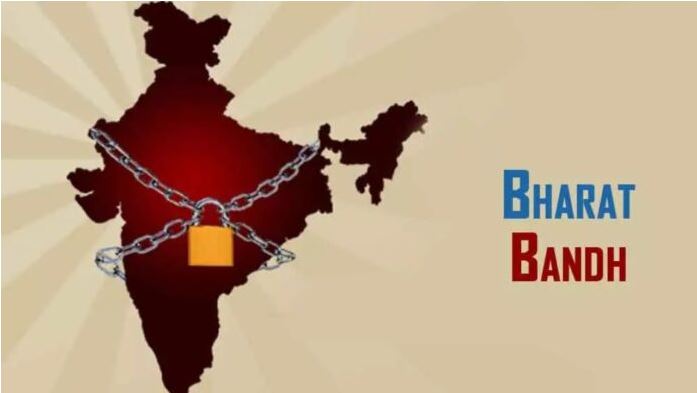
Bharat Bandh July 9, 2025 rolled out today with an assertive stamp—over 25 crore workers across India have ceased work in a sweeping strike protesting ‘anti-worker, anti-farmer and pro‑corporate’ government policies. From the first hours of the morning, the protest is unfolding with gripping intensity.
Market Trends & Background
The coalition of 10 central trade unions, supported by farmer and rural worker bodies, scheduled this nationwide general strike to demand rollbacks of four new labour codes, privatization halts, and worker rights protection. Originally set for May 20, it was postponed to July 9, now marking the 22nd such strike since 1991.
Those codes are criticized for:
-
Diluting collective bargaining, right-to-strike, and increasing working hours,
-
Shielding employers from labour law violations,
-
Threatening job security across sectors.
Key Stats & Disruptions
Wherever you go in India, the Bandh’s imprint is unmistakable:
-
25 crore participants including banking, insurance, postal, transport, mining, and power sector staff.
-
Banking sector: Expect delays — cash handling, cheque clearing, customer support across public & private banks may slow or halt.
-
Public transport: Buses & trains interrupted; KSRTC spans reduced in Kerala and Bengaluru.
-
Bengaluru: 4–5k protesters at Freedom Park; authorities urge alternate routes.
-
-
Mining & electricity: Over 27 lakh power sector workers on strike; possible localized power blips.
-
Postal services, coal plants, PSUs, government offices: Widespread disruption, but emergency services remain exempt.
-
Education & private sector: Schools, colleges, IT firms, and private offices largely remain open, though commute issues likely.
Quick Facts
-
17-point charter: Includes labour code rollback, ILO ratifications, doubling pensions, protection of defence factories.
-
Public response: Some traders kept shops open; BJP MP downplayed economic impact.
-
Regional flashpoints: Kolkata rail blockades; Odishan highway disruption; heavy police in West Bengal.
Expert Insights & Institutional Action
Veteran unionist Amarjeet Kaur (AITUC) highlighted the govt’s “10‑year labour conference blackout” and government inaction on their 17‑point demands.
Maha Gujarat Bank Employees’ Association in Gujarat warned of ₹ 15,000 crore transaction impact across 3,678 nationalised banks and select private banks.
Bengaluru police proactively rerouted traffic and placed barricades near protest zones to ease commuter flow .
Investment & Business Implications
As the Bandh sweeps, markets and enterprises need to pivot:
-
Banks & financial services:
-
Transaction delays may pressure liquidity and customer trust.
-
Long-term: deeper digitization and resilience planning needed.
-
-
Transport & logistics firms:
-
Disrupted supply chains could ripple into e‑commerce and retail.
-
Interim route re-planning essential; auto-mobility and cab operations likely the lightest hit.
-
-
Energy & utilities:
-
Even limited interruptions may dent industrial output; bisector hedging advised.
-
-
Manufacturing & PSUs:
-
Production slowdowns in mining, highway maintenance, and public works could alter projected Q2 GDP forecasts.
-
Actionable business notes:
-
Delayable transactions: push to digital or next business day.
-
Logistics heavy routes: plan for backups and alternate hauls.
-
HR & employee commutes: flexible schedules and remote options.
-
Monitor local advisories: city-wise protest hotspots evolving rapidly.
Final Takeaway
Bharat Bandh July 9, 2025 is a high-profile, unified challenge to India’s current policy trajectory—stretching across labour, agriculture, finance, and infrastructure. It underscores a growing resistance to labour reforms perceived as corporate-driven.
Economically, expect modest short-term turbulence, but this flashpoint may accelerate digital banking, labour dialogue, and urban transport resiliency in coming quarter.