The Grand Mufti of India, Sheikh Abubakr Ahmad, has played a critical role in deferring the scheduled execution of Nimisha Priya, an Indian nurse sentenced to death in Yemen. Known for his humanitarian work and religious authority, the Grand Mufti of India stepped in at a crucial moment to bring temporary relief to Nimisha and her grieving family. His powerful diplomatic effort, based on Islamic legal traditions and spiritual influence, has drawn attention and praise across India and the Islamic world.
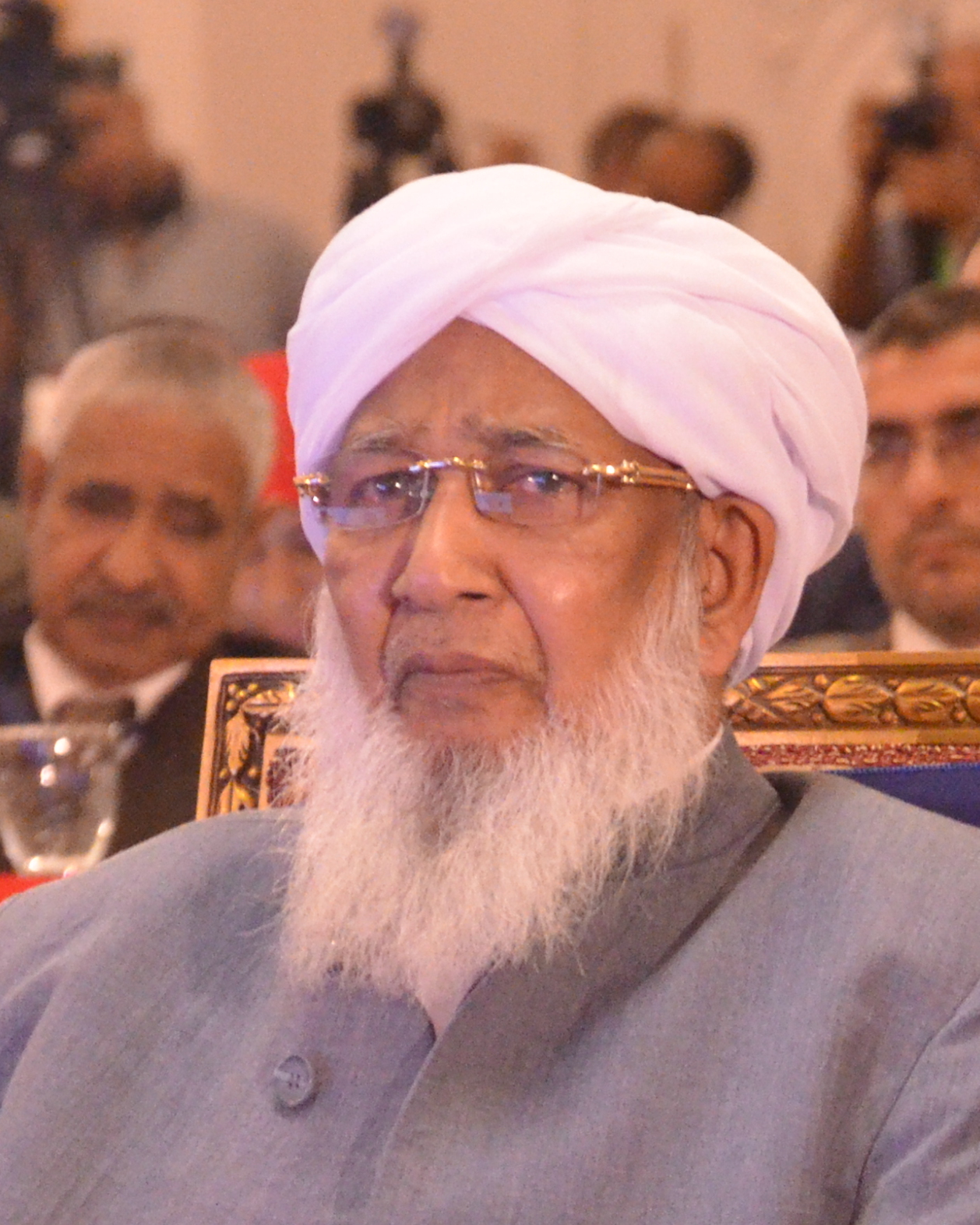
Who is the Grand Mufti of India Sheikh Abubakr Ahmad?
Sheikh Abubakr Ahmad, more popularly known as Kanthapuram AP Aboobacker Musliyar, is a highly respected Islamic scholar and leader based in Kerala.Although the title Grand Mufti of India is not officially recognized by the Indian government, he is widely regarded as such by millions of Sunni Muslims across India and South Asia due to his deep religious knowledge and decades of community leadership.
At 94 years old, he remains one of the most influential voices in India’s religious and social circles. He is also the founder of Markaz Knowledge City in Kerala and holds the position of General Secretary of All India Sunni Jamiyyathul Ulama. His guidance is often sought in matters concerning Sharia law, interfaith harmony, and humanitarian crises.
Grand Mufti of India’s Intervention in Nimisha Priya’s Execution
Nimisha Priya, a nurse from Kerala, was convicted in 2020 for the 2017 murder of her Yemeni business partner Talal Abdo Mahdi. After exhausting all legal options, her execution was scheduled for July 16, 2025. With India lacking diplomatic ties with the Houthi-controlled regions of Yemen, there was limited space for official government intervention. That’s when the Grand Mufti of India stepped forward. At the request of political leaders from Kerala, including Congress MLA Chandy Oommen, Sheikh Abubakr Ahmad initiated a series of critical conversations with religious authorities in Yemen.
Using his strong international network, he contacted influential Islamic scholars in the country, including Yemeni Sufi leader Sheikh Habib Umar bin Hafiz. These faith-based discussions led to a significant breakthrough, with Mahdi’s family agreeing to delay the execution temporarily. Under Sharia law, this opens up the possibility of negotiating diyya, or blood money, in exchange for mercy. The Grand Mufti’s involvement provided a vital bridge of dialogue at a time when diplomatic efforts were stalled, giving Nimisha’s family renewed hope.
Why Religious Diplomacy Was Crucial in the Yemen Case
The Grand Mufti of India’s efforts were not just emotional appeals but strategic religious diplomacy rooted in Islamic principles of justice and mercy. Yemen’s judicial system allows the victim’s family to grant forgiveness through compensation, as outlined in Sharia law. With no formal diplomatic channel available, religious diplomacy became the only path forward. The Grand Mufti’s credibility among global Islamic scholars and his moral stature enabled him to approach Yemeni leaders with dignity and purpose. His engagement was not confrontational but instead focused on peace, forgiveness, and humanitarian justice. This approach was respected by Yemen’s religious leaders and helped build trust, ultimately leading to the postponement of the execution.
Reactions and Broader Impact of the Grand Mufti of India’s Action
The intervention by the Grand Mufti of India has been widely praised by Indian citizens, religious leaders, and political figures. Congress MP Shashi Tharoor hailed his role, saying it demonstrated how humanity must prevail over hatred in times of crisis. People across Kerala joined in prayers, showing solidarity and support for Nimisha and gratitude for the Mufti’s efforts. His action has reminded many of the spiritual role that religious leaders can play in international and humanitarian issues.
In Yemen, this move has opened up a rare moment of diplomatic warmth, proving that religious understanding can sometimes achieve what politics cannot. The broader Islamic world has also taken note of how compassion under Sharia can lead to solutions rooted in mercy rather than punishment.
Conclusion
The Grand Mufti of India, Sheikh Abubakr Ahmad, has once again shown the power of religious diplomacy in global humanitarian issues. His efforts to defer Nimisha Priya’s execution have highlighted how faith, compassion, and legal wisdom can come together to create pathways for peace. While Nimisha’s fate is not yet sealed, the time gained through this intervention may prove decisive.
His leadership not only gave a family hope but also set an example of how religious values can offer real-world solutions to even the gravest crises. This case stands as a reminder that in times when formal diplomacy fails, moral authority and faith-based dialogue can still change lives.