The Trump NASA budget proposal for 2026 has sparked global concern among scientists and space experts. With drastic reductions to NASA’s science division, many fear that the United States could lose its leadership role in space to China. This is not just about budget lines on a government spreadsheet—this is about who owns the future of the Moon, Mars, and beyond. The Trump NASA budget decision is being called a strategic retreat, giving China an open runway to dominate the solar system.
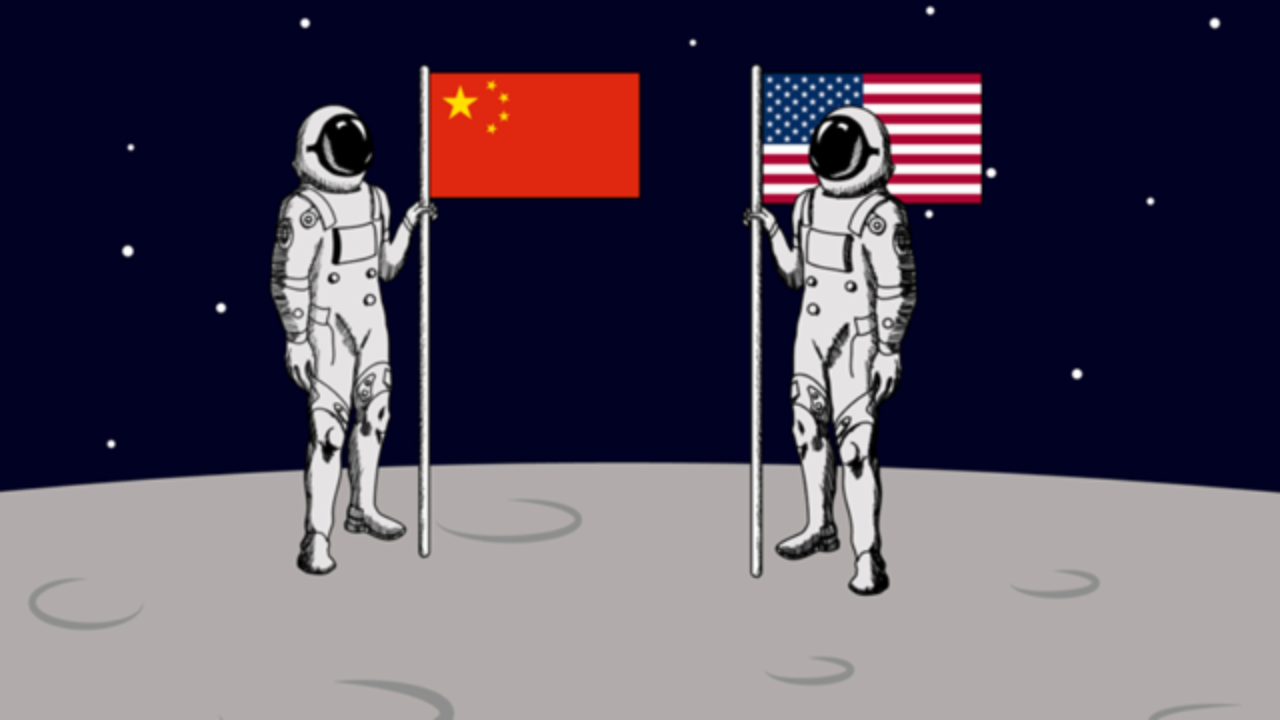
Trump NASA Budget Cuts: A Global Power Shift in Space
The 2026 budget proposal puts the United States’ decades-long supremacy in space at serious risk. Nearly half of NASA’s science funding is set to be slashed—from $7.33 billion down to just $3.9 billion. This means that key missions focused on Earth monitoring, climate science, and planetary exploration could be cancelled or severely delayed. Meanwhile, China is accelerating its space agenda with robust investments and global ambitions. If these budget cuts are passed, China may not just catch up—it may overtake.
China is already outpacing the U.S. in several key areas. With a well-funded space program, China is planning a Mars sample return mission, a new Venus probe, and a potential human lunar base by the 2030s. Their Change’s lunar series has been highly successful, and they’re working on launching their own solar observatories and exoplanet missions. By cutting funds to the Jet Propulsion Laboratory and shutting down key exploratory programs, the Trump NASA budget could clear the way for China to lead where the U.S. retreats.
U.S. Missions Under Threat from Trump NASA Budget
These budget reductions are more than financial—they directly jeopardize ongoing and future missions that define American space leadership. Some of the most iconic programs are now on the chopping block:
-
Mars Odyssey Orbiter – a 20+ year-old spacecraft that still provides essential data for Martian exploration could be shut down.
-
MAVEN (Mars Atmosphere and Volatile Evolution) – studying the Martian climate and atmosphere may lose critical support.
-
Juno Mission to Jupiter – delivering high-impact data about the gas giant may be terminated before completing its objectives.
-
Europa Clipper – one of the most promising missions to find life on Jupiter’s moon could face delays or downsizing.
-
VERITAS Mission to Venus – likely to be suspended despite international enthusiasm for Venus research.
Meanwhile, China is developing its own advanced lunar and planetary probes, gaining valuable momentum. While the U.S. considers abandoning its robotic exploration backbone, China is investing in future-forward missions that promise long-term scientific and strategic returns.
Why China Gains As America Retreats
The global balance of power in space is shifting rapidly. China’s space program is state-backed, well-resourced, and focused on becoming the dominant player in lunar and planetary science. With the Trump NASA budget pulling the plug on U.S. Earth science programs, climate research, and deep-space exploration, China steps into the vacuum.
If the U.S. stops funding Earth observation satellites, China’s climate monitoring missions could become the primary source of global data. If NASA retreats from Mars orbiters and sample return efforts, China’s Tianwen series could take the lead. And if Artemis delays its crewed moon landing plans, China’s roadmap to lunar bases could be realized first.
The Trump NASA budget thus not only weakens America’s scientific infrastructure—it hands China a once-in-a-century opportunity to lead the human journey beyond Earth. As the U.S. slashes, China expands. As NASA cuts back, China presses forward.
Workforce Impact and Scientific Setbacks
Alongside mission cancellations, thousands of NASA scientists, engineers, and researchers are at risk of job loss or early retirement. More than 2,100 senior staff have already been flagged for separation, and nearly 2,400 others have left in the past year due to funding uncertainty. This massive brain drain could take decades to rebuild, especially as STEM outreach programs are also being eliminated under the Trump NASA budget.
Losing this talent pool damages not only NASA’s present capabilities but also its future pipeline. With China continuing to nurture its scientific workforce and expand education in aerospace, the U.S. risks falling behind for generations—not just years.
Conclusion: The Future of Space May Be Decided on Earth
The Trump NASA budget doesn’t just adjust numbers—it rewrites the global script on space exploration. In a decade where space is the new frontier of geopolitical influence, ceding leadership to China could have irreversible consequences. If the U.S. halts key lunar, Martian, and planetary programs now, it will struggle to catch up again later.
While the Senate shows signs of bipartisan resistance, restoring funding and saving critical missions, the signal has already been sent: America’s space ambitions are vulnerable to political swings. China, in contrast, is playing the long game—with stable funding, long-term goals, and increasing international collaboration.
In this battle for the solar system, whoever invests today will own tomorrow. And if the Trump NASA budget is approved in full, the stars may soon shine a little brighter over Beijing than over Washington.
1 thought on “Trump NASA Budget Cuts Could Hand Solar System Leadership to China”