In a surprising geopolitical twist, Trump threatens Russia with tariffs and gives President Vladimir Putin exactly 50 days to bring an end to the ongoing Ukraine war. This economic ultimatum is part of a wider pressure strategy aimed at forcing a resolution through high-impact financial deterrents. The move marks a sharp pivot from passive diplomacy to an aggressive, time-bound threat that could reshape both international relations and global markets.
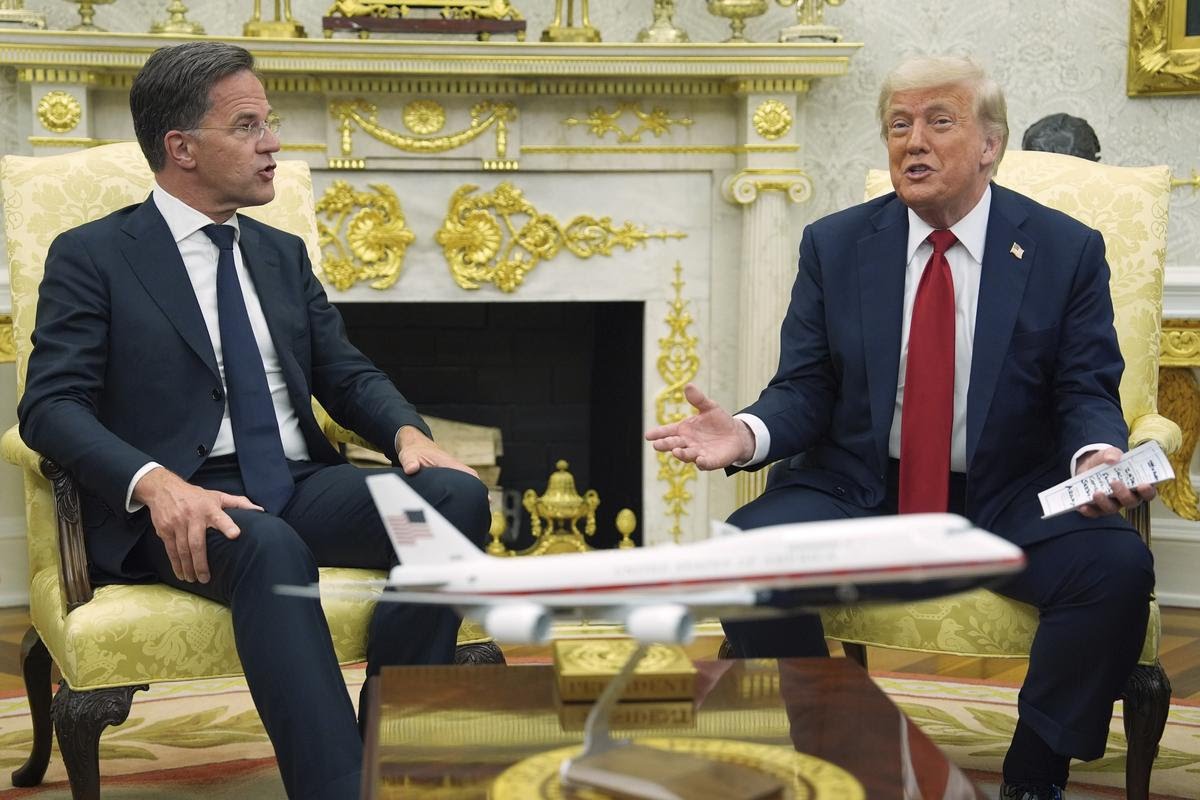
Trump Threatens Russia with Tariffs in a 50-Day Showdown
Donald Trump’s latest ultimatum is clear: if Russia doesn’t pull out of Ukraine within 50 days, the U.S. will impose 100% tariffs on all Russian imports. This isn’t an empty political gesture—it’s a structured and deeply strategic maneuver. Trump has historically used tariffs as leverage during trade wars with China and other nations, and he now applies the same tactic to foreign conflict resolution.
Adding to the pressure, Trump has coordinated with NATO allies to supply Ukraine with advanced Patriot missile systems. These weapons will be funded by European partners, signaling a united Western front against Russian aggression. The pairing of economic sanctions with military assistance delivers a clear message: the West wants peace—but is ready to escalate if forced.
Economic Impact of the Tariff Threat
If this 50-day deadline passes without action from Moscow, the effects will ripple through international trade networks. Trump threatens Russia with tariffs that would not only target direct exports to the U.S. but could also punish countries that continue doing business with Russia.
The U.S. has already slashed Russian imports, dropping from nearly $30 billion in 2021 to about $3 billion in 2024. These new measures aim to eliminate what’s left of that trade. But the impact won’t stop at Russia. China, India, Turkey, and South Korea—all of whom still engage with Russian markets—may be hit with secondary tariffs, triggering a chain reaction in global economics.
NATO countries, on the other hand, are aligning their defense and financial strategies. Their commitment to fund weapons packages and support Ukraine with intelligence and logistics strengthens the credibility of Trump’s threats. While this boosts Ukrainian morale and defense capacity, it also adds urgency to Russian decision-making.
Global Reactions to Trump’s Tariff Deadline
The world has responded with a mix of caution and concern. For Ukraine, this is a diplomatic victory. President Volodymyr Zelenskyy publicly praised the renewed Western support and the added pressure on Putin. He expressed hope that this 50-day clock would force meaningful negotiations.
In Europe, reactions are cautiously supportive. Many leaders have expressed willingness to fund missile transfers and reinforce sanctions, though some worry about the risk of broader economic fallout. Within the U.S., a bipartisan group of senators is proposing the Sanctioning Russia Act, which would formalize Trump’s tariff plan and potentially raise the tariff rate to 500% if the war continues.
Russia, as expected, has denounced the move as “economic warfare,” signaling potential countermeasures. However, the Kremlin has not yet issued any formal response on whether peace negotiations are possible under this new pressure.
Strategic Benefits and Risks of Trump’s Tariff Ultimatum
Trump’s strategy to use tariffs as leverage in warfare resolution is bold, but not without risk. Here are the potential upsides and drawbacks:
Benefits:
-
Creates a direct economic incentive for Russia to negotiate peace.
-
Strengthens NATO cooperation and reaffirms Western unity.
-
Uses non-military tools to push for a war resolution, limiting direct conflict.
Risks:
-
May destabilize global trade by punishing Russia’s economic allies.
-
Secondary tariffs could backfire on U.S. imports and consumer prices.
-
Russia may interpret the move as provocation, escalating military aggression.
Countdown Begins: What’s at Stake in the Next 50 Days
The 50-day window is a critical diplomatic countdown. Should Russia refuse to withdraw or offer a peace agreement, the U.S. will not only activate severe tariffs but may also greenlight larger-scale weapons support for Ukraine. In tandem, Congress is set to push the Sanctioning Russia Act into law, ensuring Trump’s tariff threats become a sustained policy rather than a temporary tactic.
Final Takeaway
Trump’s announcement that he will impose harsh tariffs if Russia doesn’t end the Ukraine war within 50 days is more than political grandstanding—it’s a calculated attempt to combine diplomacy, trade, and defense into a single high-pressure tactic. By setting a timeline, rallying NATO, and using economic tools, Trump is reshaping how global conflicts are negotiated. Whether this ultimatum results in peace or deeper crisis will depend entirely on how Moscow and the global community respond within the ticking deadline.