In a move that sent shockwaves through the global economy, Trump warns BRICS with a fresh wave of tariff threats, setting the stage for a new chapter in international trade tensions. As the BRICS nations gather momentum toward de-dollarisation and multipolar financial systems, Trump’s stark warning positions the U.S. at odds with a coalition representing half the world’s population and over 40% of the global GDP.
Trump Warns BRICS: What Sparked the Global Jolt
Former U.S. President Donald Trump recently issued a fiery statement targeting BRICS countries, accusing the group of pushing an anti-American agenda. He warned that any alignment with policies aimed at undermining U.S. interests—particularly the dollar’s global dominance—would trigger harsh tariffs. Trump proposed a 10% general tariff on all BRICS nations, which could rise to 50% or even 100% if strategic threats to American trade continue.
This declaration coincided with the 2025 BRICS Summit in Rio, where member nations pushed forward discussions on trade autonomy and economic cooperation outside U.S. influence. The timing, tone, and economic weight behind Trump’s statement have elevated tensions between Washington and the powerful bloc.
BRICS Expansion and the Dollar Question
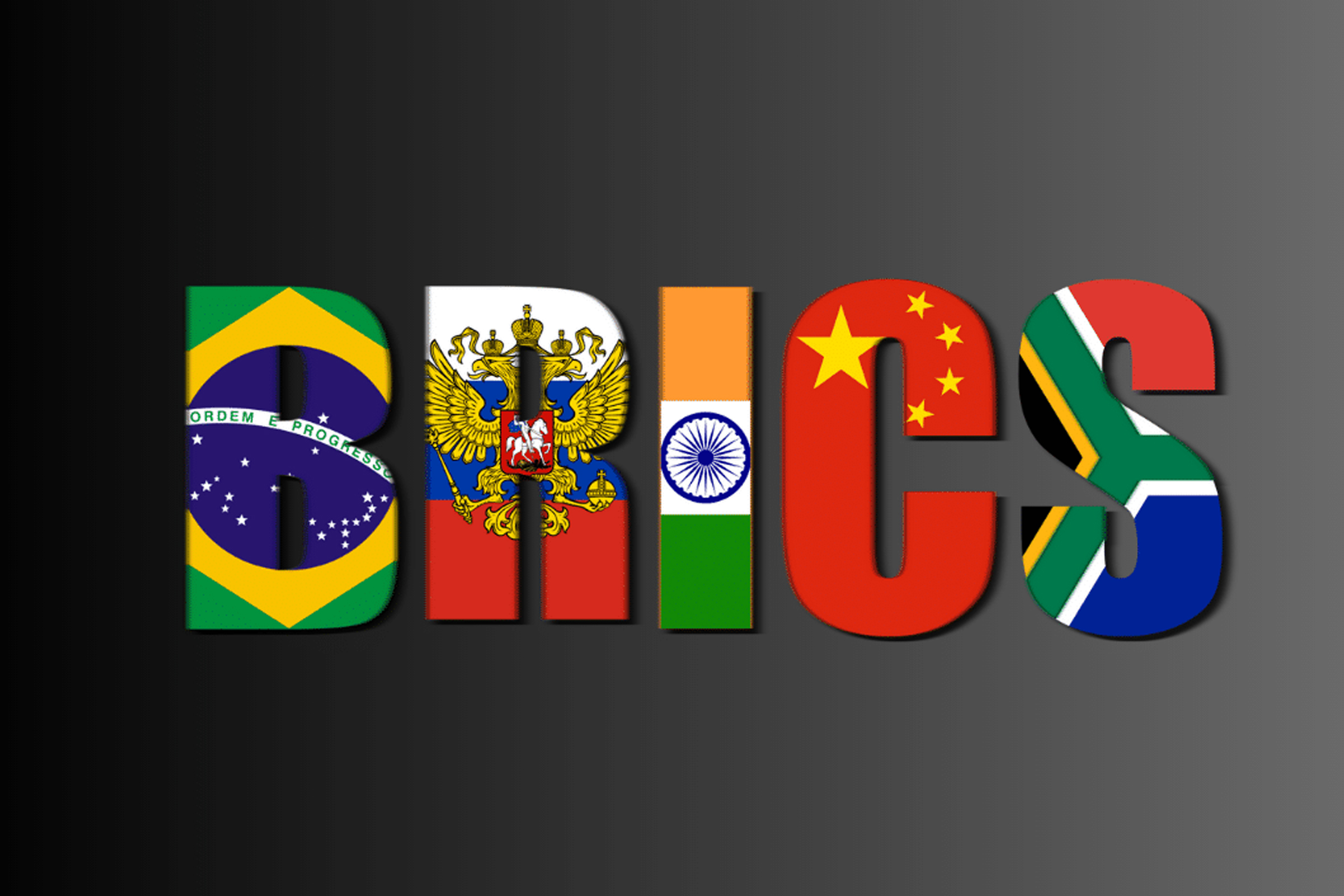
The expanded BRICS coalition now includes 11 nations, with recent entries like Indonesia, Egypt, Ethiopia, Iran, and the UAE joining founding members Brazil, Russia, India, China, and South Africa. During the summit, leaders emphasized de-dollarisation by trading in local currencies and establishing alternative financial mechanisms.
Trump’s warning stems largely from this push to side-line the U.S. dollar. His claim: the BRICS bloc is “trying to destroy the dollar” and shift the global financial power structure. Such a development would threaten U.S. leverage in international trade, prompting his proposed tariffs as a deterrent.
Country-by-Country Impact of Trump’s Tariff Warning
-
Brazil: Facing a proposed 50% tariff, Brazil was directly named due to political tensions and growing ties with Russia and China. President Lula da Silva pledged reciprocal tariffs, defending Brazil’s economic autonomy.
-
India: While India maintains cautious diplomacy, Trump’s blanket warning affects its trade balance. Prime Minister Modi has not publicly escalated the issue, signaling a measured approach to U.S. relations.
-
Russia and China: As ideological anchors of BRICS, both countries continue to champion non-dollar transactions. Trump’s threat is viewed by them as aggressive but not unexpected.
-
Indonesia and UAE: These new members face economic exposure due to their dependence on U.S. exports. Both countries are seeking a balancing act between BRICS solidarity and Western trade links.
Strategic Analysis — Why Trump Warns BRICS Now
Trump’s warning is not just rhetoric. Analysts say it’s a calculated move to reassert U.S. economic dominance amid shifting alliances. The growing cooperation among BRICS nations is seen as a long-term threat to Western-centric globalization. By issuing tariffs, Trump aims to weaken this rising bloc before it gains too much influence.
Moreover, the tariffs serve as a political tool, rallying nationalist sentiment at home and creating pressure points abroad. Trump’s style is consistent: challenge adversaries, shake the status quo, and force negotiations on U.S. terms.
Trade Fallout and Global Ramifications
Trump’s aggressive posture toward BRICS could:
-
Trigger retaliatory tariffs from key economies
-
Disrupt global supply chains, particularly in agriculture and energy
-
Lead to currency volatility and capital outflows in developing economies
-
Accelerate non-dollar settlements, ironically advancing BRICS goals
The world is already witnessing early signs of decoupling. Trade routes are shifting. Alternative alliances like BRICS+ and the Shanghai Cooperation Organization are expanding. Trump’s latest tariff announcement may be the tipping point that cements this multipolar turn.
Internal Dynamics — Is BRICS Truly United?
Despite the shared vision, internal differences among BRICS members remain. India’s democratic alignment with the West contrasts sharply with Russia and China’s authoritarian models. Economic disparities and geopolitical interests vary, too. Trump’s strategy may be to exploit these divisions through selective pressure, rather than treat the bloc as a unified front.
The Power of Symbolism in Trump’s Warning
Trump’s use of tariffs is not new, but applying them pre-emptively to a rising bloc like BRICS carries symbolic weight. It shows the U.S. is not just reacting—it’s attempting to contain future shifts in global order. Whether this strategy succeeds depends on BRICS cohesion and its ability to offer viable economic alternatives.
Conclusion: Trump’s Tariff Gambit—Risk or Strategy?
In warning BRICS with sweeping tariffs, Trump has reignited a global debate over who sets the rules of trade. His actions reflect both fear and foresight—a fear of losing the dollar’s global grip, and foresight in confronting a fast-emerging economic bloc. Whether this leads to confrontation or recalibration depends on how BRICS responds.
One thing is clear: the era of unquestioned U.S. trade dominance is being challenged, and the world is watching closely.